
Materials That Ensure Long-Lasting Garden Borders
Creating a well-defined edge around your garden not only adds to its beauty but also helps in maintaining clean lines and preventing the spread of grass and weeds. Choosing the right materials for this task is crucial as they need to withstand weather elements while retaining their form and function. This guide explores various durable materials that can be used to achieve effective and long-lasting garden borders.
Why Material Choice Matters in Garden Design
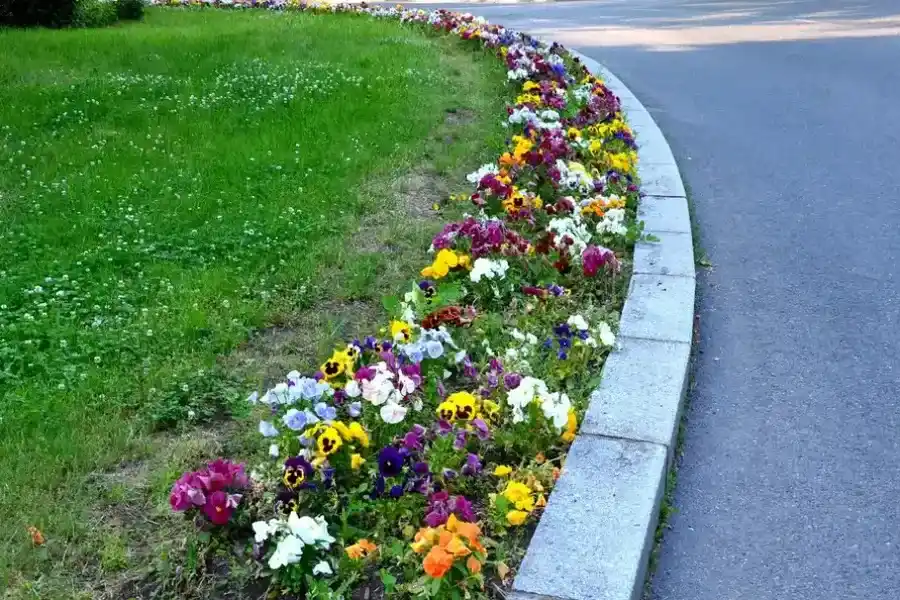
The choice of material plays a significant role in both the aesthetics and functionality of your garden design. Selecting suitable materials ensures longevity and reduces maintenance efforts over time. When considering flower bed edging, it’s vital to understand how different materials respond to environmental conditions such as rain, heat, and cold.
Exploring Metal as an Option for Edging
Metal is often favored for its strength and durability. It provides a sleek, modern look that complements contemporary landscapes. For flower bed edging, metals like steel and aluminum are popular due to their resistance to rust and corrosion. While they might have a higher upfront cost, their longevity makes them a worthwhile investment.
The Benefits of Using Stone
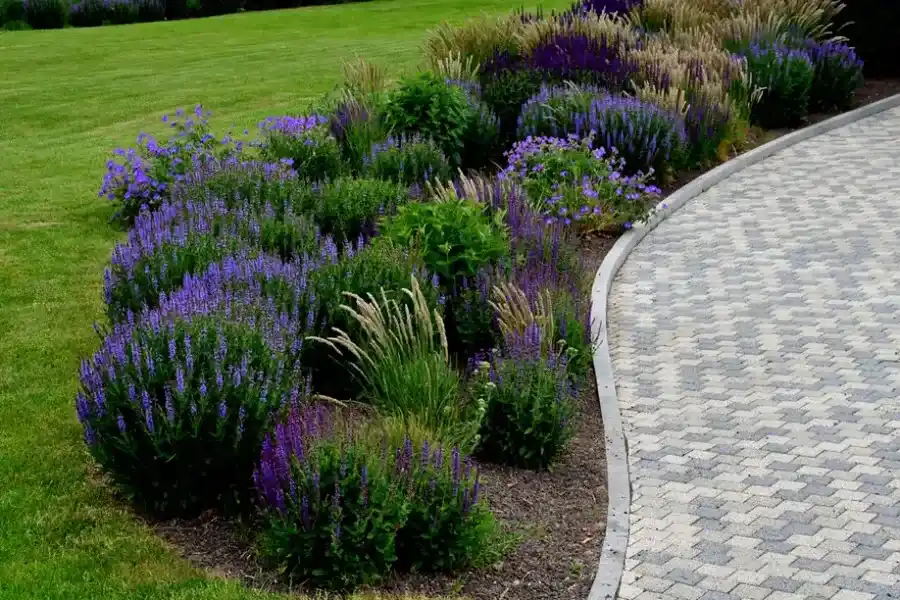
Stone offers a natural and rustic appearance that blends seamlessly with various garden styles. Whether you choose limestone, granite, or sandstone, stones provide robust flower bed edging solutions. They are incredibly resilient against weather changes and require minimal maintenance, thus providing lasting value.
Wood: A Traditional yet Effective Material
Wood has been a staple in garden designs for centuries due to its versatility and natural appeal. It brings warmth and an organic touch to any outdoor space. When selecting wood for garden borders, ensure it is treated to resist rot and insect damage, enhancing its durability significantly.
- Select pressure-treated wood for added resilience
- Consider using cedar or redwood for natural resistance
- Regularly treat with sealant to prolong life
Plastic’s Role in Modern Gardens
Plastic edging is lightweight, easy to install, and resistant to decay. It’s available in various styles that mimic more expensive materials like stone or metal at a fraction of the cost. Plastic is particularly useful for gardeners seeking a quick and budget-friendly solution without sacrificing visual appeal.
Cement and Concrete Options
Cement and concrete are excellent choices for those desiring permanent structures. These materials offer unparalleled stability and can be molded into custom shapes, offering flexibility in design. Although installation may be labor-intensive, the low maintenance requirements make them an attractive option for enduring garden borders.
- Prepare the ground by removing debris
- Mix cement according to specifications
- Mold into desired shape along garden edges
- Allow adequate curing time before use
The Cost Factor in Material Selection
Your budget will likely influence your material choice. While some options like plastic are affordable, others like natural stone may incur higher costs. However, investments in quality materials can lead to reduced maintenance expenses over time.
Conclusion: Achieving Lasting Garden Borders
The selection of durable materials for garden edging is essential for maintaining the structure’s integrity through the seasons. By choosing from metals, stones, wood, plastics, or cement, you can find an option that suits both your aesthetic preferences and practical needs. Located in Snellville, GA, we provide guidance on selecting the best materials for your landscape projects. Contact us at (678) 470-0227 to explore how Pro 1 Lawn Service LLC can support your garden goals today.