
Avoid These Errors for a Healthy Garden
Mulching is an essential gardening practice that helps retain moisture, suppress weeds, and improve soil health. However, many gardeners unknowingly make mistakes when applying mulch, which can lead to negative effects on their plants. To ensure your garden thrives, it’s important to understand these common mulching errors and how to avoid them. This guide will provide you with practical tips and insights to enhance the health and beauty of your landscape.
Understanding Mulch Layering
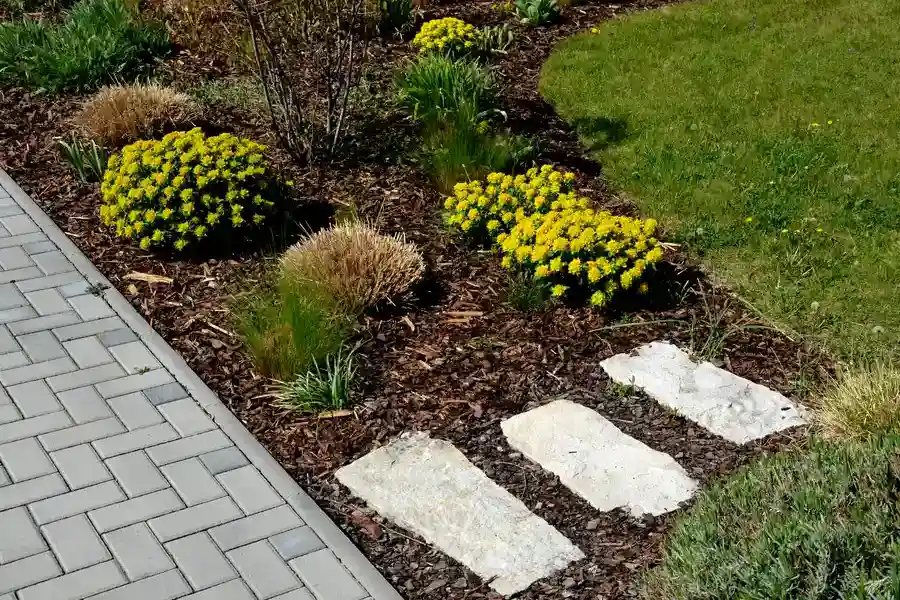
One of the most frequent errors in mulching is applying too thick or too thin a layer. Too much mulch can suffocate plant roots by preventing adequate air circulation, while too little won’t effectively block weeds or conserve soil moisture. The ideal depth for organic mulch like wood chips or bark is about two to four inches. Adjust this based on your specific plant needs and local climate conditions.
Choosing the Right Mulch Material
Selecting the wrong type of mulch can also be detrimental to your garden’s health. Different materials serve different purposes; for instance, organic mulches such as straw or wood chips decompose slowly, adding nutrients to the soil over time. Inorganic options, like stones or rubber, do not break down but are excellent for areas with high erosion. Understanding your garden’s specific requirements will help you choose the right mulching material.
Avoiding Direct Contact With Plant Stems
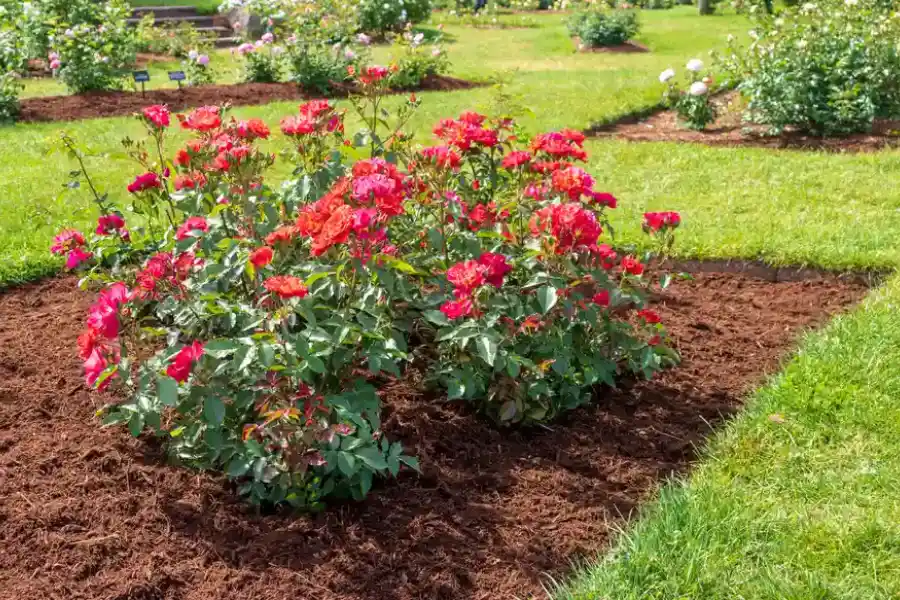
Another common mistake involves placing mulch directly against plant stems or tree trunks. This practice can lead to rot and pest infestations because it traps moisture against the stem. When applying mulching, always leave a few inches of space around the base of plants. This allows air circulation and prevents potential diseases from taking hold.
Maintaining Consistent Coverage
Inconsistency in mulch coverage can undermine its effectiveness. Over time, mulch can shift due to weather or watering, leaving some areas exposed. Regularly check your garden beds and redistribute mulch as needed to maintain even coverage. This ensures optimal performance in weed suppression and moisture retention.
Replenishing Mulch Appropriately
The breakdown of organic mulch is beneficial as it enriches the soil. However, failing to replenish mulch regularly can reduce its benefits. Check your mulch levels each season and top up as necessary to keep it at the recommended depth. This ensures continued protection and nourishment for your plants.
Using Mulch Efficiently for Weed Control
While mulch is effective at controlling weeds, it requires proper application techniques. Ensure that the edges of your mulch layer extend beyond the root zones of your plants. This creates a barrier that inhibits weed growth effectively. If you find persistent weeds breaking through, consider laying down a weed barrier fabric beneath your mulch.
Evaluating Cost-Effectiveness of Mulch Choices
Cost is always a consideration when selecting mulch materials. Organic mulches are generally more affordable upfront but require regular replenishment. In contrast, inorganic options have higher initial costs but last longer without needing replacement. Evaluate what makes sense for your budget and maintenance preferences.
Enhancing Your Garden With Smart Practices
- Regularly monitor mulch depth and adjust as needed
- Select appropriate materials tailored to your climate
- Create a buffer zone between mulch and plant bases
- Redistribute shifted mulch after storms or heavy winds
- Evaluate both short-term and long-term costs
Partner With Experts for Optimal Results
If you’re unsure about the best mulching practices for your landscape, consult professional landscapers who can provide guidance tailored to your environment. At Pro 1 Lawn Service LLC, we specialize in helping clients achieve thriving gardens with expert advice and quality services. Whether you’re located in Snellville, GA or beyond, our team is ready to support you in creating lush, healthy landscapes. Call us today at (678) 470-0227 to learn more about our offerings and schedule a consultation.